More Than Self-Help: Three Books That Challenged My Thinking in 2025
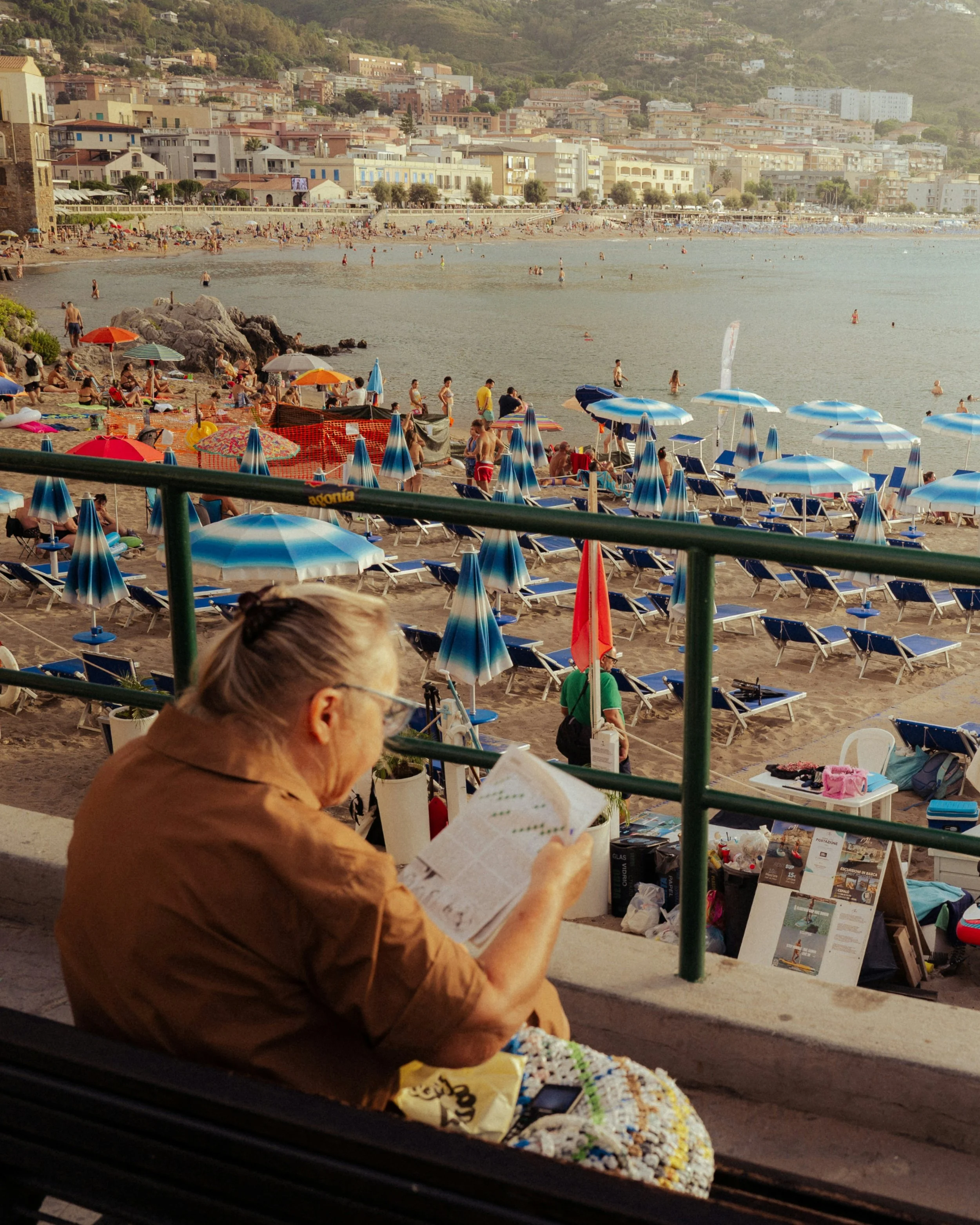
Photo by Simone Daino on Unsplash
As we enter 2026 and I look back at the past year, beyond personal experiences, failed relationships, big changes, and so on, shockingly, one of the primary things I reflect on is the books that I have read. Funny, I know, but books play a huge part in my life and serve as benchmarks for the stages of my year. During tumultuous times like breakups, grief, or the agony of the first day of my period, books often stand out for their lessons or themes more than usual, creating those moments of growth.
When I think of the books that I have read, particularly those of the “self-help”, “time to learn something” kind, I am met with distaste and a lack of connection at the hundreds of useless books I have read. Most of these reactions are triggered by books widely recommended and praised. I'm sorry, reading community, but “Atomic Habits” did not resonate with me at all, especially as someone who has ADHD, despite it being widely recommended to me for that reason, and the book “Let Them” had me thinking, please, “Let this book be over.
I feel like there is such a narrow sphere of these kinds of books, and what is considered “good” in the way of non-fiction that is supposed to help us grow, leading to the same ones being praised online so frequently. Mainstream self-help books often overlook narratives that actually stimulate critical thinking, opting for a normative, “you should do this” approach rather than an interpretive one that allows readers to both internalize the lessons the author attempts to teach and draw their own conclusions.
With that in mind, here are my top 3 non-fiction books of the year that genuinely get you thinking.
1. The Other by Ryszard Kapuscinski
“The Other,” at its core, is a book of reflections by Journalist Ryszard Kapuściński, primarily on his experiences in the global South and how they shaped his perspective on ethnicity, nationality, and religion. His statements draw the reader's attention to their own worldview and preconceptions about “the Other,” and open a space for introspection on one's Western perspective. By acknowledging the difficulty of internalizing tolerance, the author shows that acceptance is the first step and that empathy is the final destination in exposing our own prejudices that limit growth.
“It is the situation, the circumstances, the context, that decide whether we see a person as enemy or as partner at any given moment. The Other can be both of these, and that is the basis of his changeable, elusive nature, his contradictory behaviour, whose motives he himself is sometimes incapable of understanding”
2. Wisdom Sits in Places: Landscape and Language Among the Western Apache by Keith H. Basso
Through an anthropological lens, Keith Basso reflects on his ethnographic study of Apache culture and their view of “Place” through his accounts of his Western Apache teachers. This book provides an alternative idea of “place”, morphing into a setting of moral and intellectual presence that acts as a living archive of stories to guide communal and personal behaviour. Further highlighting the importance of the physical places that shape our lives in an increasingly digital world, and the value of preserving indigenous heritage sights and ways of knowing.
“Knowledge of places is closely linked to knowledge of the self, to grasping one’s position in the larger scheme of things, including one’s own community, and to securing a confident sense of who one is a person”
3. Vincent Latronico’s Perfection
Though somewhere between fiction and reality, this story beautifully highlights the truths of our increasingly commodified world, the dangers of social media, and ultimately serves as a commentary on the current atmosphere we are growing up in. This book won the International Booker Prize for 2025 and, in turn, ended up on my bookshelf, ultimately giving me a reality check that sparked weeks of reflection and, consequently, existential dread. That being said, it is a wonderfully accurate snapshot of the digital generation and beautifully thought-provoking.
“Their intellectual horizon was therefore largely formed from headlines in the Guardian or the New York Times, which happened to be the same newspapers their Greek, Dutch and Belgian friends read. In their world, Barack Obama’s speeches and high school shootings existed far more vividly than the laws passed just a few U-Bahn stations away, or the refugees drowning two hours’ flight south.”
